April 18, 2026

marketing

Delving into the world of marketing, this exploration of the Wikipedia definition provides a multifaceted understanding of the core principles and strategies that shape modern marketing practices. From historical evolution to digital strategies, we’ll uncover the complexities of this ever-evolving field.

The Wikipedia article on marketing offers a detailed look at how marketing has been defined, interpreted, and applied over time. It highlights the key elements of the marketing mix and explores the various concepts and strategies that drive successful campaigns. Understanding these nuances is crucial for anyone looking to succeed in today’s competitive market.

Defining Marketing

Marketing, in its essence, is a multifaceted process encompassing activities aimed at promoting and selling products or services. It’s more than just advertising; it involves understanding customer needs, crafting compelling messages, and building lasting relationships. The Wikipedia article underscores this holistic approach, highlighting the various strategies and considerations involved in successfully reaching target audiences.The definition emphasizes the importance of identifying customer needs and desires, and then creating value propositions that meet those needs.

Crucially, it stresses the ongoing nature of marketing, emphasizing the importance of continuous improvement and adaptation to changing market conditions. Key to the definition is the recognition of marketing as a system, encompassing all activities from research and development to distribution and customer service.

Marketing Definition Summary

The Wikipedia article defines marketing as the process of creating, communicating, delivering, and exchanging offerings that have value for customers, clients, partners, and society at large. This encompasses a wide range of activities, from market research and product development to advertising and sales.

Key Characteristics and Elements

Marketing’s key characteristics include a focus on customer needs, a strategic approach, and an emphasis on value creation. The elements highlighted within the definition include product, price, place, and promotion (the 4Ps). These fundamental elements, when effectively integrated, drive successful marketing campaigns. Additionally, modern marketing often incorporates the 7Ps, expanding the scope to include people, process, and physical evidence, further demonstrating its holistic nature.

Perspectives on Marketing

The Wikipedia article presents diverse perspectives on marketing, acknowledging its evolution from a transactional approach focused solely on sales to a more relationship-oriented strategy centered on customer lifetime value. This shift reflects a growing understanding of the importance of building enduring customer relationships, leading to increased brand loyalty and profitability.

Types of Marketing Approaches

The Wikipedia article details various marketing approaches, reflecting the wide range of strategies employed by businesses. These approaches are adapted to different industries, target audiences, and business objectives.

Type of Marketing Description Key Objectives Target Audience
Digital Marketing Utilizing online channels like websites, social media, and search engines to promote products or services. Increase brand visibility, drive website traffic, generate leads, and boost sales. Consumers actively seeking information and interacting with businesses online.
Content Marketing Creating and sharing valuable content to attract and engage a target audience. Establish thought leadership, build brand awareness, and generate leads. Consumers interested in specific topics and solutions related to the content offered.
Social Media Marketing Utilizing social media platforms to build brand awareness, engage with customers, and drive sales. Increase brand engagement, build a community, and generate leads. Users actively engaged on social media platforms.
Search Engine Optimization () Improving a website’s visibility in search engine results pages (SERPs). Increase organic traffic to a website, improve brand visibility, and generate leads. Consumers actively searching for information and products online.

Marketing Concepts

Marketing, at its core, is about understanding and meeting customer needs profitably. This involves a multifaceted approach, encompassing various concepts, principles, and frameworks that shape marketing strategies. Effective marketing relies on a deep comprehension of consumer behavior, market dynamics, and the competitive landscape.Core marketing concepts, principles, and frameworks form the foundation for developing successful strategies. These concepts are interconnected and inform the development of targeted campaigns.

The interplay between marketing and other disciplines, like economics and psychology, further enriches the understanding of consumer behavior and market trends.

Core Marketing Concepts

Several key concepts underpin marketing practices. These include understanding the market, identifying target audiences, crafting compelling messages, and implementing effective strategies to meet customer needs. The interplay between marketing and other disciplines such as economics and psychology is crucial to crafting successful strategies.

Marketing and Related Disciplines

Marketing interacts significantly with other fields, notably economics and psychology. Economic principles, like supply and demand, inform pricing strategies and production decisions. Psychological insights into consumer behavior are crucial for understanding motivations, preferences, and decision-making processes. These combined insights help businesses craft effective marketing messages and tailor products to resonate with target audiences.

Different Marketing Approaches

Marketing approaches vary based on factors like the product, the target audience, and the overall business goals. A product-oriented approach prioritizes the product’s features and benefits, whereas a market-oriented approach focuses on understanding and fulfilling customer needs. A customer-centric approach emphasizes building strong relationships with customers.

Marketing Strategies and Target Markets

Successful marketing relies on aligning strategies with specific target markets. Different strategies will naturally target distinct segments of the market.

Strategy Target Market Marketing Mix (4Ps)
Product-focused Strategy Consumers seeking innovative technology Product: Cutting-edge technological features, premium design; Price: Premium pricing to reflect value; Place: Exclusive retail channels, online presence; Promotion: High-profile advertising campaigns, influencer collaborations
Relationship Marketing Loyal customers seeking personalized service Product: Consistent quality, personalized add-ons; Price: Competitive pricing, loyalty programs; Place: Direct sales channels, strong customer support; Promotion: Personalized communications, building trust and long-term relationships
Value-Based Marketing Budget-conscious consumers seeking exceptional value Product: High-quality product at a competitive price; Price: Low price, special offers; Place: Wide distribution channels; Promotion: Highlight the value proposition, emphasize affordability
Social Media Marketing Young adults, tech-savvy consumers Product: Engaging content, visually appealing design; Price: Competitive pricing; Place: Social media platforms, interactive website; Promotion: Influencer marketing, targeted ads, user-generated content

Evolution of Marketing

Marketing, a dynamic field, has undergone significant transformations throughout history. From simple bartering to sophisticated digital campaigns, the core principles and practices have adapted to evolving societal needs and technological advancements. This evolution reflects not just changing consumer behavior but also the ever-shifting business landscape.The historical evolution of marketing, as documented in the Wikipedia page, showcases a progression from rudimentary exchange systems to modern, data-driven strategies.

Key milestones and trends, including the rise of mass production and consumerism, have fundamentally shaped the field, leading to the diverse and complex marketing approaches we see today.

Historical Progression of Marketing Definitions

The definition of marketing has evolved alongside its practice. Early forms focused on simply exchanging goods or services. As economies grew and competition intensified, marketing’s scope expanded to encompass the entire process of creating, communicating, and delivering value to customers. The modern definition, emphasizing value creation and customer relationships, represents a culmination of these historical shifts.

Key Milestones and Trends in Marketing History

A critical understanding of marketing’s evolution involves recognizing the pivotal moments that shaped its trajectory. The Industrial Revolution, for instance, ushered in mass production, forcing businesses to develop strategies for reaching wider audiences. The rise of consumerism, fueled by increasing disposable incomes and advertising, saw marketing become a more prominent force in shaping societal values and consumer desires.

These shifts, along with technological advancements, consistently influenced marketing strategies and the very definition of the field.

Timeline of Marketing Techniques

The progression of marketing techniques is evident in the following timeline:

Year Technique Description
Pre-1900s Barter and Early Trade Exchange of goods and services, the fundamental basis of trade.
Early 1900s Mass Production and Advertising The rise of mass production required strategies to reach a wider audience, leading to the development of mass advertising campaigns.
1920s-1950s Sales-Oriented Approach Focus shifted towards promoting and selling products, often through aggressive sales tactics.
1960s-1980s Marketing Concept and Consumer Orientation Companies began to focus on understanding customer needs and desires, shifting from a purely sales-driven approach to a customer-centric model.
1990s Digital Marketing Emerges The rise of the internet and personal computers ushered in a new era of digital marketing techniques.
2000s-Present Data-Driven and Social Media Marketing Marketing strategies leverage data analysis and social media platforms to understand and target specific customer segments.

Marketing and Branding Strategy

A strong branding strategy is crucial for any successful marketing campaign. It goes beyond simply promoting a product or service; it shapes the perception of a company, builds customer loyalty, and differentiates it from competitors. Effective branding creates a consistent and recognizable identity that resonates with the target audience.

Defining Branding Strategy

Branding strategy encompasses the comprehensive plan for developing and maintaining a brand. It Artikels the desired brand image, positioning, and messaging to achieve specific marketing objectives. A well-defined strategy helps guide all marketing efforts, ensuring consistency and maximizing impact. This strategic approach is vital for building a strong brand presence and fostering customer relationships.

Key Elements of a Successful Branding Strategy

A robust branding strategy comprises several critical elements. These include a clearly defined brand identity (including a memorable name, logo, and visual style), a consistent brand voice (tone and style of communication), and a compelling brand story that resonates with the target audience. Furthermore, the strategy should consider brand positioning (how the brand is perceived relative to competitors) and a comprehensive brand experience that customers encounter at every touchpoint.

Branding Approaches and their Relation to Marketing

Various branding approaches exist, each with its unique characteristics and implications for marketing. These approaches can be categorized based on their focus on specific aspects of the brand, such as brand personality, values, or customer experience. The specific branding approach adopted should align with the overall marketing objectives and target audience. The Wikipedia article likely discusses different approaches like brand extension, co-branding, and corporate branding, all contributing to the overall marketing strategy.

Brand Building and Customer Loyalty

Building a strong brand is intrinsically linked to fostering customer loyalty. A positive brand experience, consistency in messaging, and a commitment to customer satisfaction are essential for cultivating loyalty. Strong brands inspire trust and confidence, leading customers to repeatedly choose that brand over competitors. This loyalty translates into increased sales, positive word-of-mouth referrals, and a sustainable competitive advantage.

Examples of brands successfully fostering customer loyalty include Apple, Nike, and Coca-Cola.

Comparison of Branding Strategies

Strategy Target Market Key Message
Luxury Branding High-income individuals seeking premium quality and exclusivity Superior craftsmanship, prestige, and exceptional value
Value Branding Budget-conscious consumers seeking affordable quality High-quality products at competitive prices
Experiential Branding Consumers seeking unique and memorable interactions Engaging experiences, emotional connection, and personalized service
Social Responsibility Branding Consumers concerned about ethical and environmental practices Commitment to sustainability, social responsibility, and ethical sourcing

Marketing Mix (4Ps)

The marketing mix, often referred to as the 4Ps, is a crucial framework for businesses to effectively translate their marketing objectives into actionable strategies. It encompasses the core elements a company uses to position its products or services in the marketplace. Understanding and strategically managing these elements is essential for achieving desired outcomes and connecting with target audiences.

Product

The product aspect of the marketing mix encompasses more than just the tangible item; it includes the entire offering. This includes features, benefits, design, quality, branding, packaging, and even warranties. A strong product strategy aligns with customer needs and desires, and its attributes should support the overall marketing strategy. Effective product development and differentiation are key to success in the marketplace.

A successful product often addresses a specific customer need or problem, and its attributes are aligned with the target market’s preferences. Examples of this include a product’s unique selling proposition (USP) and its value proposition.

Price

Pricing strategy is a critical element that directly impacts profitability and market positioning. Factors considered include production costs, competitor pricing, market demand, and desired profit margins. Effective pricing strategies aim to balance customer affordability with profitability for the company. Pricing strategies should consider various market segments and their respective price sensitivities.

Place

The “Place” element of the marketing mix refers to the distribution channels and logistics that bring the product or service to the consumer. This includes retail stores, online marketplaces, distributors, and even the physical location of a service. Effective distribution channels ensure accessibility and convenience for customers, supporting the overall marketing objectives. Modern distribution channels often involve a complex interplay of online and offline platforms.

Promotion

Promotion encompasses all activities that communicate the value proposition of the product or service to the target market. This includes advertising, public relations, sales promotions, and personal selling. A comprehensive promotion strategy considers the various communication channels and their effectiveness in reaching the target audience. Promotion should align with the overall marketing goals and be adapted to the specific characteristics of the target audience.

Table: Understanding the 4Ps

4P Description Importance Example
Product Tangible and intangible elements of a product or service, including features, design, quality, branding, and packaging. Creates customer value and differentiates from competitors. A new smartphone with advanced camera features and a sleek design.
Price The monetary value assigned to a product or service, considering costs, competition, and demand. Drives profitability and influences perceived value. A premium price for a luxury watch reflecting its craftsmanship and brand image.
Place Distribution channels and logistics to make the product accessible to the target market. Ensures product availability and convenience for customers. Selling products through both online marketplaces and retail stores.
Promotion Communicating the product’s value proposition to the target market through various channels. Creates brand awareness, generates interest, and drives sales. Using social media campaigns and influencer marketing to promote a new clothing line.

Digital Marketing

Digital marketing has become an indispensable component of modern marketing strategies. It leverages various online channels to connect with target audiences, build brand awareness, and drive sales. The ever-increasing digital presence of consumers necessitates a robust digital marketing approach for businesses to stay competitive and reach their customers effectively.Digital marketing encompasses a broad range of activities, from search engine optimization () and social media marketing to email marketing and paid advertising.

It relies heavily on data analytics to track campaign performance and refine strategies for optimal results. This data-driven approach allows marketers to understand customer behavior, preferences, and needs more thoroughly, leading to more effective campaigns.

Role of Digital Marketing in Modern Marketing

Digital marketing plays a pivotal role in contemporary marketing practices by offering businesses a direct and interactive channel to connect with their target audience. It enables companies to reach a global market at a lower cost compared to traditional methods, and it facilitates real-time engagement with customers. The ability to measure campaign performance precisely and adapt strategies in real-time is a significant advantage of digital marketing, making it crucial for staying ahead of the competition.

Key Digital Marketing Channels and Strategies

A multitude of channels and strategies contribute to successful digital marketing campaigns. These include search engine optimization () to enhance organic search visibility, pay-per-click (PPC) advertising to target specific s and demographics, social media marketing to engage with audiences across various platforms, and content marketing to establish thought leadership and attract organic traffic. Email marketing remains a powerful tool for direct communication and building customer relationships.

Examples of Successful Digital Marketing Campaigns

Numerous successful digital marketing campaigns showcase the effectiveness of this approach. For instance, a campaign by a sportswear brand using social media influencers to promote new products generated significant buzz and sales. Another example is a company using targeted online advertising to reach specific customer segments, driving a substantial increase in leads and conversions.

Successful Digital Marketing Campaign Elements

Successful digital marketing campaigns often incorporate a blend of various strategies. A well-defined target audience, a clear message, engaging content, and a comprehensive strategy are essential for success. Tracking campaign performance and adapting to changing trends are also crucial elements. Analyzing the data collected from each campaign can identify areas for improvement and lead to more effective future campaigns.

Importance of Digital Marketing in the Modern LandscapeDigital marketing has revolutionized how businesses interact with customers, driving efficiency and measurable results. It allows businesses to reach global audiences, engage with customers in real-time, and analyze campaign performance with precision. This adaptability and data-driven approach are key differentiators in today’s competitive market.

Marketing Research

Marketing research is a crucial component of any successful marketing strategy. It provides the data-driven insights necessary to understand target audiences, evaluate market trends, and refine marketing efforts. This process allows businesses to make informed decisions, allocate resources effectively, and ultimately, achieve their marketing objectives.

Importance of Marketing Research in Developing Effective Strategies

Thorough marketing research is essential for building effective strategies. It allows businesses to identify customer needs and preferences, understand market competition, and assess the viability of new products or services. This in-depth understanding enables marketers to tailor their messaging, pricing, and distribution channels to resonate with their target audience, maximizing the return on investment. By predicting future trends and consumer behavior, businesses can proactively adapt their strategies and stay ahead of the competition.

Methods of Marketing Research

Various methods are employed in marketing research, each with its own strengths and limitations. Quantitative research, often using surveys and experiments, provides numerical data for statistical analysis, while qualitative research, including focus groups and interviews, delves into the reasons behind consumer behavior. The choice of method depends on the specific research objective and the type of data required.

For instance, a company might use surveys to measure customer satisfaction and interviews to gain deeper insights into consumer motivations.

Marketing Research Techniques

A variety of techniques are utilized to gather data and insights for marketing research. These techniques range from traditional methods to cutting-edge digital tools. Understanding these techniques allows businesses to select the most appropriate approach for their needs.

Technique Description Example
Surveys Structured questionnaires used to gather data from a large sample of respondents. A company sends out online surveys to customers to gauge their satisfaction with a recent product launch.
Focus Groups Small group discussions facilitated by a moderator to explore consumer opinions and perspectives on a particular topic. A group of potential customers are brought together to discuss their preferences for a new mobile phone model.
Interviews One-on-one conversations with individuals to gain in-depth insights into their thoughts and feelings. A marketer conducts individual interviews with customers to understand their motivations for purchasing a particular brand of clothing.
Experiments Controlled tests to determine the effectiveness of different marketing approaches or product variations. A company A/B tests two different ad campaigns to see which one generates more clicks and conversions.
Observations Monitoring consumer behavior in a natural setting, like a store or online platform. Retailers observe customer interactions with products on the store floor to understand purchasing patterns.
Data Mining Extracting valuable insights from large datasets, like customer transaction history or website analytics. A company analyzes customer purchase data to identify trends and personalize recommendations.
Social Media Monitoring Tracking online conversations and discussions about a brand or product on social media platforms. A company monitors social media sentiment to gauge public perception of their new product launch.

How Marketing Research Supports the Marketing Definition

Marketing research directly supports the marketing definition by providing the empirical foundation for informed decision-making. It helps define target markets, understand customer needs, measure campaign effectiveness, and track market trends. This data-driven approach is integral to achieving marketing objectives and creating value for customers. Marketing research empowers companies to understand and adapt to the ever-changing market landscape, leading to improved marketing strategies and enhanced customer relationships.

Ending Remarks

In conclusion, the Wikipedia definition of marketing unveils a dynamic and multifaceted discipline. From its historical roots to its current digital manifestations, the evolving landscape of marketing demands a comprehensive understanding of the strategies and approaches that fuel its success. This overview provides a solid foundation for further exploration and a clearer comprehension of marketing’s significance.

FAQ Guide

What are some common criticisms of the Wikipedia definition of marketing?

While the Wikipedia article provides a comprehensive overview, some criticisms might point to its general nature. A more nuanced critique might delve into the specific contexts in which certain definitions might fall short of offering practical application in diverse sectors. Ultimately, a nuanced and sector-specific approach may be necessary for more granular analysis.

How does the definition of marketing differ across various industries?

The application of marketing principles varies significantly across industries. A successful marketing strategy in the technology sector might differ considerably from one in the fashion industry. Understanding the specific nuances of each industry is key to adapting the marketing mix effectively.

What are some examples of ethical considerations in marketing, as mentioned in the Wikipedia article?

The Wikipedia article likely touches upon ethical considerations like truthfulness in advertising, consumer privacy, and sustainability. These ethical concerns are vital in ensuring responsible marketing practices.

What is the role of customer relationship management (CRM) in modern marketing, according to the Wikipedia article?

CRM plays a significant role in modern marketing by facilitating better understanding of customer behavior and preferences, allowing for more personalized and targeted marketing efforts. The Wikipedia article likely details the integration of CRM with other marketing approaches.
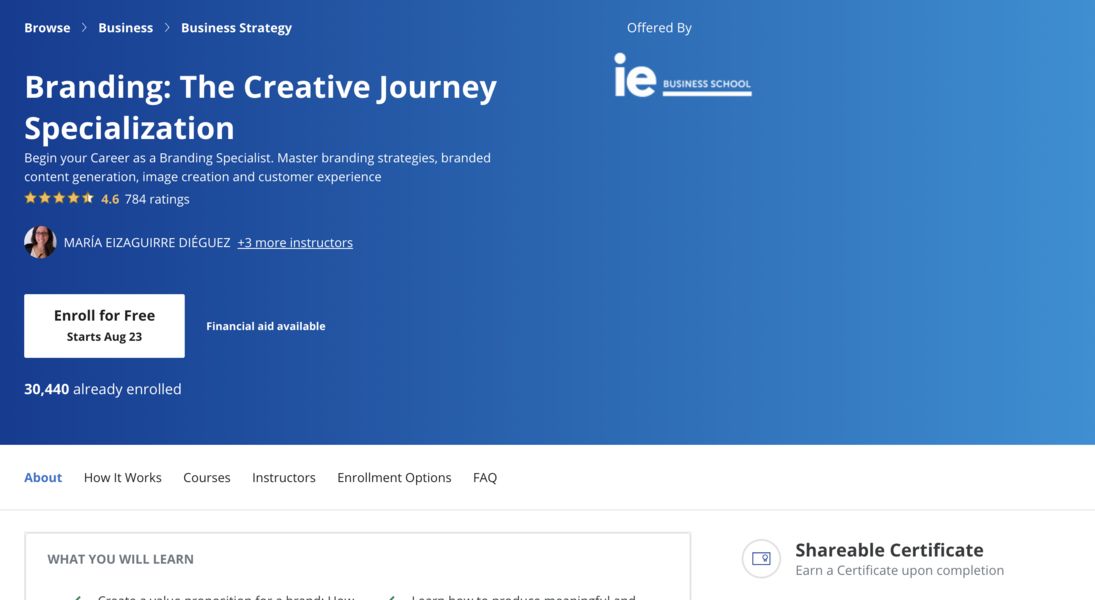
Unlock your potential in the dynamic world of branding and marketing with our comprehensive free course. This resource is designed to equip you with the essential skills needed to excel in today’s competitive market. Whether you’re a budding entrepreneur or a seasoned professional, this course offers valuable insights and practical strategies.

We delve into the fundamentals of branding, explore the latest marketing techniques, and demonstrate how to effectively leverage digital platforms. This course is a valuable resource, offering a practical approach to building a strong brand and engaging your target audience.

Introduction to Free Branding and Marketing Courses

In today’s competitive market, a strong brand identity and effective marketing strategies are crucial for success. Businesses of all sizes rely on branding and marketing to connect with their target audience, build customer loyalty, and drive revenue growth. Understanding these concepts is increasingly valuable for individuals seeking to advance their careers or launch their own ventures.Free online courses offer a valuable pathway for individuals to acquire and enhance their knowledge and skills in branding and marketing.

These courses, often provided by reputable institutions or industry experts, can be accessed anytime and anywhere, making them a highly accessible and flexible learning option. This allows learners to acquire new skills at their own pace and gain in-depth understanding of crucial concepts.

Significance of Branding and Marketing

Effective branding and marketing strategies are fundamental to a company’s success in today’s market. A strong brand fosters recognition, trust, and loyalty among consumers, which in turn leads to increased sales and profitability. Marketing strategies help businesses reach their target audience, communicate their value proposition, and generate interest in their products or services.

Benefits of Free Online Courses

Free online courses provide a multitude of benefits for individuals seeking to improve their branding and marketing skills. They offer flexible learning options, allowing learners to study at their own pace and convenience. This accessibility is particularly beneficial for individuals with busy schedules or limited resources. Furthermore, these courses often provide practical insights and actionable strategies that can be immediately applied in real-world situations.

Types of Free Branding and Marketing Courses

Free online courses on branding and marketing come in various formats, catering to different learning styles and preferences. Video tutorials are a popular choice, providing visual demonstrations and explanations of key concepts. Webinars often feature live Q&A sessions, allowing learners to interact with instructors and other participants. Online workshops offer more structured learning environments with hands-on exercises and group discussions.

These formats often provide a dynamic learning experience, facilitating the application of learned concepts.

Comparison of Free Course Platforms

Platform Course Structure Target Audience Learning Resources
Coursera Structured modules with assignments and quizzes. Students, professionals, and career changers seeking comprehensive learning. Video lectures, readings, and assessments.
edX University-level courses delivered in a modular format. Individuals seeking to enhance their knowledge and skills, often professionals in a specific field. Video lectures, readings, and interactive exercises.
Udemy Wide variety of courses, often taught by industry experts. Students, professionals, and entrepreneurs looking for practical, applicable knowledge. Video lectures, downloadable resources, and potentially assignments.
LinkedIn Learning Industry-focused courses designed to enhance professional skills. Professionals seeking to upskill and advance their careers in specific industries. Video tutorials, downloadable resources, and interactive exercises.

The table above provides a basic comparison of popular free course platforms, highlighting key differences in their course structure, target audience, and available learning resources. Careful consideration of these factors can help individuals select a platform that aligns with their learning needs and goals.

Identifying Key Elements of a Strong Branding and Marketing Course

A high-quality branding and marketing course, whether free or paid, provides a structured learning experience that equips students with essential knowledge and practical skills. It should foster a deep understanding of the principles and strategies involved in building a strong brand and effectively reaching target audiences. This is crucial in today’s competitive marketplace.A strong branding and marketing course should go beyond theoretical concepts.

It should emphasize practical application through real-world examples, case studies, and opportunities for hands-on learning. This approach allows students to immediately apply the knowledge they gain, improving their understanding and retention.

Essential Components of a High-Quality Course

A comprehensive branding and marketing course should cover a range of essential topics. These include market analysis, target audience identification, brand development, marketing strategies, and performance evaluation. Crucially, the course should present a balanced perspective, covering both theoretical foundations and practical applications.

Learning Outcomes of a Good Course

A robust course should aim to deliver a range of specific learning outcomes. Students should gain a thorough understanding of branding principles, including brand identity, positioning, and messaging. Furthermore, they should develop proficiency in various marketing channels, from social media to email marketing. Practical skill development, such as creating marketing plans and analyzing campaign results, is also critical.

Ideal Curriculum Structure for a Free Course

A well-structured free course should present information in a logical sequence, starting with foundational concepts and gradually progressing to more advanced topics. Modules could be organized around key marketing functions, such as market research, brand building, or digital marketing. Each module should include clear learning objectives, relevant examples, and practical exercises. It’s important that the course structure provides a clear path for students to build their knowledge and skills.

For instance, a module on market research could be followed by a module on target audience identification.

Evaluating the Effectiveness of Free Online Courses

Evaluating the effectiveness of a free online branding and marketing course requires a multi-faceted approach. Factors to consider include course content, clarity of instruction, engagement tools, and overall learning experience. Course materials should be well-organized, comprehensive, and easily accessible. The use of interactive exercises and real-world examples can significantly enhance the learning experience. Finally, the course should include feedback mechanisms, such as quizzes, assignments, or discussion forums, to gauge student comprehension and areas needing improvement.

Checklist for Assessing Teaching Methods

A structured checklist for evaluating teaching methods can ensure the quality and effectiveness of a free course. Key elements to assess include the clarity and conciseness of presentations, the use of engaging teaching techniques, and the availability of support materials.

  • Clarity and Structure: Are concepts clearly explained, and is the course structured logically? Are there clear learning objectives for each module? Examples and real-world scenarios are essential.
  • Engagement and Interaction: Does the course incorporate interactive elements, such as quizzes, discussions, or practical exercises? Are there opportunities for students to ask questions and receive feedback?
  • Accessibility and Support: Is the course material accessible through various devices and formats? Is there adequate support available for students who encounter difficulties?
  • Teaching Method Variety: Does the course use a variety of teaching methods, such as lectures, case studies, or interactive activities? Are there opportunities for practical application of learned concepts?

Analyzing Course Content and Structure

Effective branding and marketing courses go beyond simply listing concepts. A robust course structure engages learners and facilitates knowledge retention. This analysis delves into crucial elements for creating impactful free courses, considering diverse learning styles and the need for practical application.Analyzing the content and structure of a course is vital for its success. This involves examining teaching methods, interactive elements, and the overall course design.

Understanding how information is presented and reinforced is key to learner engagement and knowledge retention.

Effective Teaching Methods

Various pedagogical approaches can enhance a free branding and marketing course. Examples include case studies, real-world examples, and interactive exercises. Demonstrating how concepts apply to practical scenarios fosters deeper understanding and encourages learners to connect theory with practice. Incorporating diverse learning styles, such as visual, auditory, and kinesthetic, is crucial for creating a more inclusive and engaging learning environment.

Interactive Exercises and Assignments

Interactive exercises are essential for active learning in branding and marketing courses. These exercises can take many forms. Role-playing scenarios allow learners to practice applying concepts in simulated situations. Creating marketing campaigns or designing brand identities are valuable exercises that encourage creative problem-solving. Quizzes and tests can also be implemented to reinforce key learning points.

Evaluating Course Relevance and Up-to-Dateness

To maintain relevance, courses should incorporate current industry trends and best practices. Analyzing current marketing campaigns, social media strategies, and emerging technologies provides a framework for evaluating course up-to-dateness. This also involves regular updates to the curriculum and materials.

Effective Course Modules

A strong course structure often includes modules focusing on specific aspects of branding and marketing. A module on brand positioning, for example, would include detailed explanations of target audience analysis, competitor analysis, and the development of a unique value proposition. Modules on content marketing, social media marketing, and search engine optimization are equally important.

Potential Topics for a Comprehensive Course

  • Brand Positioning and Strategy: Developing a strong brand identity and value proposition. This module should cover target audience analysis, competitor analysis, and creating a unique value proposition.
  • Marketing Research and Analysis: Gathering and analyzing data to understand customer needs and preferences. Methods such as surveys, focus groups, and A/B testing should be discussed.
  • Digital Marketing Strategies: Exploring various digital marketing channels such as , social media marketing, email marketing, and paid advertising.
  • Content Marketing and Creation: Creating valuable and engaging content that attracts and retains customers. This includes developing a content calendar, understanding audience needs, and measuring content performance.
  • Social Media Marketing: Leveraging social media platforms to build brand awareness, engage with customers, and drive sales.
  • Customer Relationship Management (CRM): Understanding and managing customer relationships to improve customer retention and loyalty. Tools and strategies for CRM are key to successful customer engagement.
  • Branding and Visual Identity: Developing a strong visual identity that communicates the brand’s personality and values. This includes logo design, color palettes, typography, and brand guidelines.
  • Measurement and Analysis of Marketing Performance: Using analytics to track the success of marketing campaigns and make data-driven decisions.
  • Staying Updated with Industry Trends: The importance of continuous learning and adaptation to changing market dynamics. Discussion of current trends and tools.

Free Courses and Digital Marketing

Free online courses are a valuable resource for acquiring in-demand skills, and branding and digital marketing are prime examples. Understanding the synergy between these two disciplines is crucial for today’s professionals. This section delves into the interplay between branding and digital marketing, highlighting the importance of digital skills, and comparing free courses in both areas.Free courses, especially in areas like branding and digital marketing, are increasingly popular due to their accessibility and affordability.

They empower individuals to upskill and enhance their career prospects without significant financial investment. The quality of these courses varies, so it’s important to carefully assess the content and structure of any course before committing.

Relationship Between Branding and Digital Marketing Strategies

Branding and digital marketing are intrinsically linked. Effective digital marketing strategies rely on a strong brand identity to resonate with target audiences. A cohesive brand message, consistently conveyed across various digital platforms, fosters trust and loyalty. Conversely, digital marketing channels are essential tools for building and strengthening a brand’s presence in the online landscape.

Significance of Digital Marketing Skills for Today’s Professionals

Digital marketing skills are paramount for professionals in virtually every industry. The digital landscape is continuously evolving, demanding adaptability and expertise in areas like social media management, , content creation, and paid advertising. These skills enable professionals to effectively reach target audiences, drive engagement, and achieve business objectives. Individuals with strong digital marketing capabilities are more likely to secure employment and advance their careers in today’s market.

Comparison of Free Branding and Digital Marketing Courses

Free branding courses often focus on developing a strong brand identity, understanding target audiences, and crafting compelling brand narratives. Free digital marketing courses, on the other hand, tend to cover specific digital marketing channels like , social media marketing, and email marketing. Both types of courses can be valuable, but the content and depth of coverage may differ.

Key Digital Marketing Concepts for Free Courses

Free courses should incorporate a diverse range of essential digital marketing concepts to equip learners with a comprehensive understanding of the field.

  • Search Engine Optimization (): Understanding how search engines work, optimizing website content for s, and building backlinks are fundamental to online visibility.
  • Social Media Marketing: Effectively leveraging social media platforms to connect with target audiences, build brand awareness, and drive engagement is critical for modern marketing.
  • Content Marketing: Creating and distributing valuable, relevant, and consistent content to attract and retain a clearly defined audience and ultimately drive profitable customer action is an essential part of a successful digital strategy.
  • Paid Advertising: Familiarization with platforms like Google Ads and social media advertising is important for targeting specific audiences and maximizing return on investment.
  • Email Marketing: Strategies for building email lists, crafting engaging email campaigns, and nurturing customer relationships are valuable tools in a digital marketer’s toolkit.
  • Analytics and Reporting: Interpreting data from various digital marketing channels, tracking key performance indicators (KPIs), and making data-driven decisions are crucial for optimizing campaigns and achieving business goals.

How Free Branding and Marketing Courses Support Digital Marketing Endeavors

Free branding and marketing courses provide a solid foundation for successful digital marketing. By understanding branding principles, learners can craft a cohesive brand message that resonates across various digital platforms. Courses in branding and marketing can teach learners to develop a strong brand identity, which is a critical component of any successful digital marketing campaign. This ensures a consistent brand message across all digital channels.

Illustrative Examples of Free Courses

Exploring real-world examples of successful free branding and marketing courses provides valuable insights into effective course design and content. These examples demonstrate how to create engaging learning experiences that empower students with practical knowledge and actionable strategies.

A Successful Free Branding and Marketing Course Example

A notable example of a successful free branding and marketing course is the “Branding & Marketing Fundamentals” course offered by the [insert name of reputable organization/platform, e.g., HubSpot Academy]. This course, specifically designed for beginners, provides a comprehensive overview of core branding and marketing principles.The course structure is modular, progressing from foundational concepts to more advanced techniques. The curriculum typically covers topics like brand identity, target audience analysis, marketing strategies, and digital marketing channels.

Learning materials include interactive exercises, case studies, and downloadable templates. Each module often culminates in a practical application activity or project.The course effectively teaches branding and marketing principles by combining theoretical explanations with real-world examples. It encourages hands-on learning, allowing students to apply the concepts immediately. The use of case studies helps learners understand how brands have implemented successful marketing strategies in various industries.

Clear explanations and visual aids contribute to a more engaging and easily digestible learning experience.

Free Course Examples

A variety of free courses cater to different learning styles and levels of experience. Here’s a snapshot of diverse free courses:

Course Name Platform Key Features Target Audience
Fundamentals of Digital Marketing Google Digital Garage Covers , social media, paid advertising, and analytics; includes practical exercises. Beginners interested in digital marketing
Social Media Marketing for Small Businesses Hootsuite Academy Focuses on using social media platforms for business growth; includes templates and real-world examples. Small business owners and entrepreneurs
Brand Building 101 Coursera (or similar platform) Explores brand strategy, identity, and positioning; uses real-life case studies. Individuals interested in branding and design
Email Marketing Essentials Mailchimp Teaches email marketing best practices, segmentation, and campaign creation; offers downloadable resources. Those looking to build email marketing strategies

Strengths and Weaknesses of Free Courses

Free courses often have strengths in accessibility and breadth of coverage. They frequently offer valuable insights into various aspects of branding and marketing. However, limitations in depth of content and lack of personalized support are potential drawbacks. Some courses might not offer the same level of certification or industry recognition as paid courses.

Exploring the Value of Free Branding and Marketing Courses

Free branding and marketing courses offer a wealth of opportunities for learners seeking to enhance their skills and knowledge without financial investment. These courses provide a valuable starting point, allowing individuals to explore the field and potentially discover a passion or career path. Their accessibility empowers a broader range of people to participate in professional development, irrespective of financial constraints.These courses often serve as a stepping stone, building foundational knowledge and equipping learners with fundamental concepts.

They can be an excellent resource for those new to the field or looking to refresh their understanding. However, the quality and depth of learning can vary significantly between providers, and learners should exercise caution in evaluating the courses they choose.

Value Proposition for Learners

Free courses offer a significant value proposition by providing accessible entry points into the branding and marketing domain. They empower individuals to acquire foundational knowledge and skills without the financial burden of paid courses. This accessibility allows individuals to explore their interest in the field and discover potential career paths, often leading to further learning and skill development.

Free courses can also serve as a powerful tool for self-improvement, enabling individuals to enhance their understanding and proficiency in specific marketing areas.

Advantages of Free Courses Compared to Paid Courses

Free courses provide a cost-effective way to acquire knowledge and skills. This accessibility enables a broader range of individuals to engage in professional development. They often provide a foundational understanding of the subject, making them suitable for beginners and those seeking to refresh their knowledge. Additionally, free courses often offer a chance to explore various marketing strategies, build a portfolio, and connect with like-minded individuals within the community.

  • Accessibility and Affordability: Free courses remove the financial barrier, allowing a wider range of people to participate, from students to professionals looking to upskill.
  • Exposure to Diverse Content: Free courses often provide exposure to a broader range of topics and perspectives, enabling learners to explore their interests and discover new areas of focus.
  • Networking Opportunities: Many free courses offer opportunities to connect with other learners and instructors, fostering valuable networking connections within the field.

Disadvantages of Free Courses Compared to Paid Courses

While free courses offer numerous benefits, they often have limitations compared to paid courses. The depth and breadth of content might be less extensive, with fewer resources and interactive learning experiences. The quality of instruction and support can also vary significantly, with some courses offering minimal or no guidance from experienced professionals. Furthermore, free courses may not offer the same level of credibility and recognition in the industry as paid courses.

Determining ROI of Investing Time in Free Courses

Evaluating the return on investment (ROI) of time spent on free courses requires a structured approach. Begin by identifying your learning objectives and aligning them with the course content. Track your progress and identify areas where you gain practical skills. Consider the potential career advancement opportunities that arise from the knowledge gained. Connect your newly acquired skills with current professional projects and demonstrate tangible results.

Finally, reflect on the knowledge and insights gained and how they can improve your overall performance and career trajectory.

Successful Student Stories

Numerous individuals have leveraged free courses to launch successful careers in marketing. A recent graduate, Sarah, used a free online course to gain a solid foundation in digital marketing, which directly led to an entry-level position at a growing tech startup. Another example is David, a mid-career professional who used free branding courses to develop his brand strategy and enhance his resume, ultimately securing a promotion to a senior marketing role.

These stories underscore the potential for career advancement through leveraging free resources.

Role of Free Courses in Career Advancement

Free branding and marketing courses play a vital role in career advancement by equipping individuals with the necessary knowledge and skills to enhance their professional profiles. They provide a cost-effective way to upskill and reskill, allowing individuals to explore new career paths and advance within their existing roles. The foundational knowledge gained from free courses often acts as a springboard for further learning and specialization, ultimately leading to greater career opportunities.

Practical Application and Future Trends

9 Best Branding Courses Online - The Career Project

Free branding and marketing courses offer a valuable pathway to understanding and applying core concepts in the real world. This section explores how these principles translate into actionable strategies and anticipates future trends in this evolving field. Understanding the practical application of these concepts is crucial for anyone looking to leverage their knowledge in the modern business landscape.

Real-World Applications of Branding and Marketing Knowledge

Applying branding and marketing knowledge extends beyond theoretical frameworks. Successful businesses consistently integrate these principles into their operations, from product development to customer service. Consider a small startup launching a new line of eco-friendly cleaning products. Their brand identity, encompassing the product packaging, messaging, and online presence, must resonate with environmentally conscious consumers. This requires careful market research, competitor analysis, and targeted marketing campaigns.

Similarly, established companies use marketing techniques to maintain customer loyalty and adapt to changing market demands. For example, a clothing retailer might leverage social media marketing to engage with customers, personalize recommendations, and build a strong online community.

Future of Free Branding and Marketing Courses

Free online learning platforms are experiencing rapid evolution. The integration of interactive simulations, gamified learning experiences, and AI-powered personalized learning paths is becoming increasingly prevalent. This approach not only enhances engagement but also delivers a more practical learning experience. Moreover, the rise of micro-learning modules and specialized short courses focused on specific niches, like influencer marketing or social media advertising, allows learners to focus on specific areas of interest and skill gaps.

Emerging Trends and Technologies in Branding and Marketing

Several emerging trends are shaping the future of branding and marketing. The increasing importance of personalization and customer experience is driving the use of data analytics and AI-powered tools to tailor marketing messages and experiences. Additionally, the rise of short-form video content and influencer marketing necessitates a deeper understanding of how to leverage these platforms for brand building.

Another crucial trend is the growing need for ethical and sustainable practices in branding and marketing. Consumers are becoming increasingly aware of social and environmental issues, demanding transparency and accountability from brands.

Strategies for Using Free Course Knowledge

Learning from free courses is only the first step. Practical application is key. To effectively utilize the knowledge gained, learners should focus on creating a personalized learning plan. This involves identifying specific areas of interest and setting clear goals for skill development. Next, actively seeking out real-world application opportunities, like internships or volunteer projects, is essential for practical experience.

Lastly, continuously updating their knowledge through industry publications and relevant online communities is crucial. This ongoing engagement ensures staying abreast of evolving trends and best practices.

Key Takeaways for Individuals Considering Free Courses

Free branding and marketing courses offer a valuable starting point for skill development. The ability to learn foundational principles, apply them in real-world scenarios, and stay updated on industry trends is essential for anyone seeking a career in the field. The courses provide a comprehensive introduction to essential concepts and strategies. The key takeaways are to start with foundational knowledge, apply learnings practically, and remain updated on industry trends.

These courses are valuable tools for acquiring essential skills and building a successful career.

Closing Summary

In conclusion, this free branding and marketing course provides a valuable foundation for anyone looking to enhance their skills. We’ve covered the essential components of a successful course, analyzed course structures, and explored the relationship between branding and digital marketing. Ultimately, this guide empowers you to make informed decisions about your learning journey and achieve your professional goals.

FAQ Insights

What types of free learning resources are available in the course?

The course utilizes various formats, including video tutorials, webinars, and online workshops. This diverse approach caters to different learning styles and preferences.

How can I evaluate the quality of a free online branding and marketing course?

A crucial aspect is evaluating the teaching methods, course structure, and relevance of the content. A checklist is provided in the course materials to aid this process.

What is the relationship between branding and digital marketing?

Branding and digital marketing are intertwined. A strong brand is crucial for effective digital marketing strategies. This course highlights the connection between the two and demonstrates how to leverage digital channels for branding efforts.

What is the ROI of investing time in free branding and marketing courses?

Free courses can provide significant returns on your investment of time. Improved skills can lead to career advancement and better job prospects. The course also provides frameworks to assess the ROI of your efforts.