Unlock your potential in the dynamic world of branding and marketing with our comprehensive free course. This resource is designed to equip you with the essential skills needed to excel in today’s competitive market. Whether you’re a budding entrepreneur or a seasoned professional, this course offers valuable insights and practical strategies.
We delve into the fundamentals of branding, explore the latest marketing techniques, and demonstrate how to effectively leverage digital platforms. This course is a valuable resource, offering a practical approach to building a strong brand and engaging your target audience.
Introduction to Free Branding and Marketing Courses
In today’s competitive market, a strong brand identity and effective marketing strategies are crucial for success. Businesses of all sizes rely on branding and marketing to connect with their target audience, build customer loyalty, and drive revenue growth. Understanding these concepts is increasingly valuable for individuals seeking to advance their careers or launch their own ventures.Free online courses offer a valuable pathway for individuals to acquire and enhance their knowledge and skills in branding and marketing.
These courses, often provided by reputable institutions or industry experts, can be accessed anytime and anywhere, making them a highly accessible and flexible learning option. This allows learners to acquire new skills at their own pace and gain in-depth understanding of crucial concepts.
Significance of Branding and Marketing
Effective branding and marketing strategies are fundamental to a company’s success in today’s market. A strong brand fosters recognition, trust, and loyalty among consumers, which in turn leads to increased sales and profitability. Marketing strategies help businesses reach their target audience, communicate their value proposition, and generate interest in their products or services.
Benefits of Free Online Courses
Free online courses provide a multitude of benefits for individuals seeking to improve their branding and marketing skills. They offer flexible learning options, allowing learners to study at their own pace and convenience. This accessibility is particularly beneficial for individuals with busy schedules or limited resources. Furthermore, these courses often provide practical insights and actionable strategies that can be immediately applied in real-world situations.
Types of Free Branding and Marketing Courses
Free online courses on branding and marketing come in various formats, catering to different learning styles and preferences. Video tutorials are a popular choice, providing visual demonstrations and explanations of key concepts. Webinars often feature live Q&A sessions, allowing learners to interact with instructors and other participants. Online workshops offer more structured learning environments with hands-on exercises and group discussions.
These formats often provide a dynamic learning experience, facilitating the application of learned concepts.
Comparison of Free Course Platforms
| Platform | Course Structure | Target Audience | Learning Resources |
|---|---|---|---|
| Coursera | Structured modules with assignments and quizzes. | Students, professionals, and career changers seeking comprehensive learning. | Video lectures, readings, and assessments. |
| edX | University-level courses delivered in a modular format. | Individuals seeking to enhance their knowledge and skills, often professionals in a specific field. | Video lectures, readings, and interactive exercises. |
| Udemy | Wide variety of courses, often taught by industry experts. | Students, professionals, and entrepreneurs looking for practical, applicable knowledge. | Video lectures, downloadable resources, and potentially assignments. |
| LinkedIn Learning | Industry-focused courses designed to enhance professional skills. | Professionals seeking to upskill and advance their careers in specific industries. | Video tutorials, downloadable resources, and interactive exercises. |
The table above provides a basic comparison of popular free course platforms, highlighting key differences in their course structure, target audience, and available learning resources. Careful consideration of these factors can help individuals select a platform that aligns with their learning needs and goals.
Identifying Key Elements of a Strong Branding and Marketing Course
A high-quality branding and marketing course, whether free or paid, provides a structured learning experience that equips students with essential knowledge and practical skills. It should foster a deep understanding of the principles and strategies involved in building a strong brand and effectively reaching target audiences. This is crucial in today’s competitive marketplace.A strong branding and marketing course should go beyond theoretical concepts.
It should emphasize practical application through real-world examples, case studies, and opportunities for hands-on learning. This approach allows students to immediately apply the knowledge they gain, improving their understanding and retention.
Essential Components of a High-Quality Course
A comprehensive branding and marketing course should cover a range of essential topics. These include market analysis, target audience identification, brand development, marketing strategies, and performance evaluation. Crucially, the course should present a balanced perspective, covering both theoretical foundations and practical applications.
Learning Outcomes of a Good Course
A robust course should aim to deliver a range of specific learning outcomes. Students should gain a thorough understanding of branding principles, including brand identity, positioning, and messaging. Furthermore, they should develop proficiency in various marketing channels, from social media to email marketing. Practical skill development, such as creating marketing plans and analyzing campaign results, is also critical.
Ideal Curriculum Structure for a Free Course
A well-structured free course should present information in a logical sequence, starting with foundational concepts and gradually progressing to more advanced topics. Modules could be organized around key marketing functions, such as market research, brand building, or digital marketing. Each module should include clear learning objectives, relevant examples, and practical exercises. It’s important that the course structure provides a clear path for students to build their knowledge and skills.
For instance, a module on market research could be followed by a module on target audience identification.
Evaluating the Effectiveness of Free Online Courses
Evaluating the effectiveness of a free online branding and marketing course requires a multi-faceted approach. Factors to consider include course content, clarity of instruction, engagement tools, and overall learning experience. Course materials should be well-organized, comprehensive, and easily accessible. The use of interactive exercises and real-world examples can significantly enhance the learning experience. Finally, the course should include feedback mechanisms, such as quizzes, assignments, or discussion forums, to gauge student comprehension and areas needing improvement.
Checklist for Assessing Teaching Methods
A structured checklist for evaluating teaching methods can ensure the quality and effectiveness of a free course. Key elements to assess include the clarity and conciseness of presentations, the use of engaging teaching techniques, and the availability of support materials.
- Clarity and Structure: Are concepts clearly explained, and is the course structured logically? Are there clear learning objectives for each module? Examples and real-world scenarios are essential.
- Engagement and Interaction: Does the course incorporate interactive elements, such as quizzes, discussions, or practical exercises? Are there opportunities for students to ask questions and receive feedback?
- Accessibility and Support: Is the course material accessible through various devices and formats? Is there adequate support available for students who encounter difficulties?
- Teaching Method Variety: Does the course use a variety of teaching methods, such as lectures, case studies, or interactive activities? Are there opportunities for practical application of learned concepts?
Analyzing Course Content and Structure
Effective branding and marketing courses go beyond simply listing concepts. A robust course structure engages learners and facilitates knowledge retention. This analysis delves into crucial elements for creating impactful free courses, considering diverse learning styles and the need for practical application.Analyzing the content and structure of a course is vital for its success. This involves examining teaching methods, interactive elements, and the overall course design.
Understanding how information is presented and reinforced is key to learner engagement and knowledge retention.
Effective Teaching Methods
Various pedagogical approaches can enhance a free branding and marketing course. Examples include case studies, real-world examples, and interactive exercises. Demonstrating how concepts apply to practical scenarios fosters deeper understanding and encourages learners to connect theory with practice. Incorporating diverse learning styles, such as visual, auditory, and kinesthetic, is crucial for creating a more inclusive and engaging learning environment.
Interactive Exercises and Assignments
Interactive exercises are essential for active learning in branding and marketing courses. These exercises can take many forms. Role-playing scenarios allow learners to practice applying concepts in simulated situations. Creating marketing campaigns or designing brand identities are valuable exercises that encourage creative problem-solving. Quizzes and tests can also be implemented to reinforce key learning points.
Evaluating Course Relevance and Up-to-Dateness
To maintain relevance, courses should incorporate current industry trends and best practices. Analyzing current marketing campaigns, social media strategies, and emerging technologies provides a framework for evaluating course up-to-dateness. This also involves regular updates to the curriculum and materials.
Effective Course Modules
A strong course structure often includes modules focusing on specific aspects of branding and marketing. A module on brand positioning, for example, would include detailed explanations of target audience analysis, competitor analysis, and the development of a unique value proposition. Modules on content marketing, social media marketing, and search engine optimization are equally important.
Potential Topics for a Comprehensive Course
- Brand Positioning and Strategy: Developing a strong brand identity and value proposition. This module should cover target audience analysis, competitor analysis, and creating a unique value proposition.
- Marketing Research and Analysis: Gathering and analyzing data to understand customer needs and preferences. Methods such as surveys, focus groups, and A/B testing should be discussed.
- Digital Marketing Strategies: Exploring various digital marketing channels such as , social media marketing, email marketing, and paid advertising.
- Content Marketing and Creation: Creating valuable and engaging content that attracts and retains customers. This includes developing a content calendar, understanding audience needs, and measuring content performance.
- Social Media Marketing: Leveraging social media platforms to build brand awareness, engage with customers, and drive sales.
- Customer Relationship Management (CRM): Understanding and managing customer relationships to improve customer retention and loyalty. Tools and strategies for CRM are key to successful customer engagement.
- Branding and Visual Identity: Developing a strong visual identity that communicates the brand’s personality and values. This includes logo design, color palettes, typography, and brand guidelines.
- Measurement and Analysis of Marketing Performance: Using analytics to track the success of marketing campaigns and make data-driven decisions.
- Staying Updated with Industry Trends: The importance of continuous learning and adaptation to changing market dynamics. Discussion of current trends and tools.
Free Courses and Digital Marketing
Free online courses are a valuable resource for acquiring in-demand skills, and branding and digital marketing are prime examples. Understanding the synergy between these two disciplines is crucial for today’s professionals. This section delves into the interplay between branding and digital marketing, highlighting the importance of digital skills, and comparing free courses in both areas.Free courses, especially in areas like branding and digital marketing, are increasingly popular due to their accessibility and affordability.
They empower individuals to upskill and enhance their career prospects without significant financial investment. The quality of these courses varies, so it’s important to carefully assess the content and structure of any course before committing.
Relationship Between Branding and Digital Marketing Strategies
Branding and digital marketing are intrinsically linked. Effective digital marketing strategies rely on a strong brand identity to resonate with target audiences. A cohesive brand message, consistently conveyed across various digital platforms, fosters trust and loyalty. Conversely, digital marketing channels are essential tools for building and strengthening a brand’s presence in the online landscape.
Significance of Digital Marketing Skills for Today’s Professionals
Digital marketing skills are paramount for professionals in virtually every industry. The digital landscape is continuously evolving, demanding adaptability and expertise in areas like social media management, , content creation, and paid advertising. These skills enable professionals to effectively reach target audiences, drive engagement, and achieve business objectives. Individuals with strong digital marketing capabilities are more likely to secure employment and advance their careers in today’s market.
Comparison of Free Branding and Digital Marketing Courses
Free branding courses often focus on developing a strong brand identity, understanding target audiences, and crafting compelling brand narratives. Free digital marketing courses, on the other hand, tend to cover specific digital marketing channels like , social media marketing, and email marketing. Both types of courses can be valuable, but the content and depth of coverage may differ.
Key Digital Marketing Concepts for Free Courses
Free courses should incorporate a diverse range of essential digital marketing concepts to equip learners with a comprehensive understanding of the field.
- Search Engine Optimization (): Understanding how search engines work, optimizing website content for s, and building backlinks are fundamental to online visibility.
- Social Media Marketing: Effectively leveraging social media platforms to connect with target audiences, build brand awareness, and drive engagement is critical for modern marketing.
- Content Marketing: Creating and distributing valuable, relevant, and consistent content to attract and retain a clearly defined audience and ultimately drive profitable customer action is an essential part of a successful digital strategy.
- Paid Advertising: Familiarization with platforms like Google Ads and social media advertising is important for targeting specific audiences and maximizing return on investment.
- Email Marketing: Strategies for building email lists, crafting engaging email campaigns, and nurturing customer relationships are valuable tools in a digital marketer’s toolkit.
- Analytics and Reporting: Interpreting data from various digital marketing channels, tracking key performance indicators (KPIs), and making data-driven decisions are crucial for optimizing campaigns and achieving business goals.
How Free Branding and Marketing Courses Support Digital Marketing Endeavors
Free branding and marketing courses provide a solid foundation for successful digital marketing. By understanding branding principles, learners can craft a cohesive brand message that resonates across various digital platforms. Courses in branding and marketing can teach learners to develop a strong brand identity, which is a critical component of any successful digital marketing campaign. This ensures a consistent brand message across all digital channels.
Illustrative Examples of Free Courses
Exploring real-world examples of successful free branding and marketing courses provides valuable insights into effective course design and content. These examples demonstrate how to create engaging learning experiences that empower students with practical knowledge and actionable strategies.
A Successful Free Branding and Marketing Course Example
A notable example of a successful free branding and marketing course is the “Branding & Marketing Fundamentals” course offered by the [insert name of reputable organization/platform, e.g., HubSpot Academy]. This course, specifically designed for beginners, provides a comprehensive overview of core branding and marketing principles.The course structure is modular, progressing from foundational concepts to more advanced techniques. The curriculum typically covers topics like brand identity, target audience analysis, marketing strategies, and digital marketing channels.
Learning materials include interactive exercises, case studies, and downloadable templates. Each module often culminates in a practical application activity or project.The course effectively teaches branding and marketing principles by combining theoretical explanations with real-world examples. It encourages hands-on learning, allowing students to apply the concepts immediately. The use of case studies helps learners understand how brands have implemented successful marketing strategies in various industries.
Clear explanations and visual aids contribute to a more engaging and easily digestible learning experience.
Free Course Examples
A variety of free courses cater to different learning styles and levels of experience. Here’s a snapshot of diverse free courses:
| Course Name | Platform | Key Features | Target Audience |
|---|---|---|---|
| Fundamentals of Digital Marketing | Google Digital Garage | Covers , social media, paid advertising, and analytics; includes practical exercises. | Beginners interested in digital marketing |
| Social Media Marketing for Small Businesses | Hootsuite Academy | Focuses on using social media platforms for business growth; includes templates and real-world examples. | Small business owners and entrepreneurs |
| Brand Building 101 | Coursera (or similar platform) | Explores brand strategy, identity, and positioning; uses real-life case studies. | Individuals interested in branding and design |
| Email Marketing Essentials | Mailchimp | Teaches email marketing best practices, segmentation, and campaign creation; offers downloadable resources. | Those looking to build email marketing strategies |
Strengths and Weaknesses of Free Courses
Free courses often have strengths in accessibility and breadth of coverage. They frequently offer valuable insights into various aspects of branding and marketing. However, limitations in depth of content and lack of personalized support are potential drawbacks. Some courses might not offer the same level of certification or industry recognition as paid courses.
Exploring the Value of Free Branding and Marketing Courses
Free branding and marketing courses offer a wealth of opportunities for learners seeking to enhance their skills and knowledge without financial investment. These courses provide a valuable starting point, allowing individuals to explore the field and potentially discover a passion or career path. Their accessibility empowers a broader range of people to participate in professional development, irrespective of financial constraints.These courses often serve as a stepping stone, building foundational knowledge and equipping learners with fundamental concepts.
They can be an excellent resource for those new to the field or looking to refresh their understanding. However, the quality and depth of learning can vary significantly between providers, and learners should exercise caution in evaluating the courses they choose.
Value Proposition for Learners
Free courses offer a significant value proposition by providing accessible entry points into the branding and marketing domain. They empower individuals to acquire foundational knowledge and skills without the financial burden of paid courses. This accessibility allows individuals to explore their interest in the field and discover potential career paths, often leading to further learning and skill development.
Free courses can also serve as a powerful tool for self-improvement, enabling individuals to enhance their understanding and proficiency in specific marketing areas.
Advantages of Free Courses Compared to Paid Courses
Free courses provide a cost-effective way to acquire knowledge and skills. This accessibility enables a broader range of individuals to engage in professional development. They often provide a foundational understanding of the subject, making them suitable for beginners and those seeking to refresh their knowledge. Additionally, free courses often offer a chance to explore various marketing strategies, build a portfolio, and connect with like-minded individuals within the community.
- Accessibility and Affordability: Free courses remove the financial barrier, allowing a wider range of people to participate, from students to professionals looking to upskill.
- Exposure to Diverse Content: Free courses often provide exposure to a broader range of topics and perspectives, enabling learners to explore their interests and discover new areas of focus.
- Networking Opportunities: Many free courses offer opportunities to connect with other learners and instructors, fostering valuable networking connections within the field.
Disadvantages of Free Courses Compared to Paid Courses
While free courses offer numerous benefits, they often have limitations compared to paid courses. The depth and breadth of content might be less extensive, with fewer resources and interactive learning experiences. The quality of instruction and support can also vary significantly, with some courses offering minimal or no guidance from experienced professionals. Furthermore, free courses may not offer the same level of credibility and recognition in the industry as paid courses.
Determining ROI of Investing Time in Free Courses
Evaluating the return on investment (ROI) of time spent on free courses requires a structured approach. Begin by identifying your learning objectives and aligning them with the course content. Track your progress and identify areas where you gain practical skills. Consider the potential career advancement opportunities that arise from the knowledge gained. Connect your newly acquired skills with current professional projects and demonstrate tangible results.
Finally, reflect on the knowledge and insights gained and how they can improve your overall performance and career trajectory.
Successful Student Stories
Numerous individuals have leveraged free courses to launch successful careers in marketing. A recent graduate, Sarah, used a free online course to gain a solid foundation in digital marketing, which directly led to an entry-level position at a growing tech startup. Another example is David, a mid-career professional who used free branding courses to develop his brand strategy and enhance his resume, ultimately securing a promotion to a senior marketing role.
These stories underscore the potential for career advancement through leveraging free resources.
Role of Free Courses in Career Advancement
Free branding and marketing courses play a vital role in career advancement by equipping individuals with the necessary knowledge and skills to enhance their professional profiles. They provide a cost-effective way to upskill and reskill, allowing individuals to explore new career paths and advance within their existing roles. The foundational knowledge gained from free courses often acts as a springboard for further learning and specialization, ultimately leading to greater career opportunities.
Practical Application and Future Trends
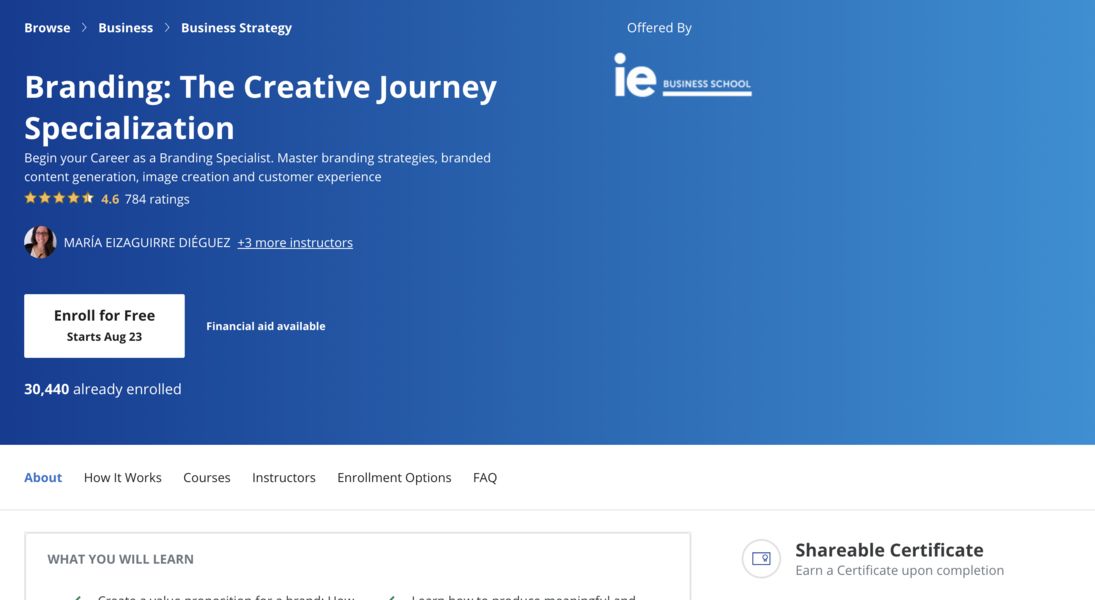
Free branding and marketing courses offer a valuable pathway to understanding and applying core concepts in the real world. This section explores how these principles translate into actionable strategies and anticipates future trends in this evolving field. Understanding the practical application of these concepts is crucial for anyone looking to leverage their knowledge in the modern business landscape.
Real-World Applications of Branding and Marketing Knowledge
Applying branding and marketing knowledge extends beyond theoretical frameworks. Successful businesses consistently integrate these principles into their operations, from product development to customer service. Consider a small startup launching a new line of eco-friendly cleaning products. Their brand identity, encompassing the product packaging, messaging, and online presence, must resonate with environmentally conscious consumers. This requires careful market research, competitor analysis, and targeted marketing campaigns.
Similarly, established companies use marketing techniques to maintain customer loyalty and adapt to changing market demands. For example, a clothing retailer might leverage social media marketing to engage with customers, personalize recommendations, and build a strong online community.
Future of Free Branding and Marketing Courses
Free online learning platforms are experiencing rapid evolution. The integration of interactive simulations, gamified learning experiences, and AI-powered personalized learning paths is becoming increasingly prevalent. This approach not only enhances engagement but also delivers a more practical learning experience. Moreover, the rise of micro-learning modules and specialized short courses focused on specific niches, like influencer marketing or social media advertising, allows learners to focus on specific areas of interest and skill gaps.
Emerging Trends and Technologies in Branding and Marketing
Several emerging trends are shaping the future of branding and marketing. The increasing importance of personalization and customer experience is driving the use of data analytics and AI-powered tools to tailor marketing messages and experiences. Additionally, the rise of short-form video content and influencer marketing necessitates a deeper understanding of how to leverage these platforms for brand building.
Another crucial trend is the growing need for ethical and sustainable practices in branding and marketing. Consumers are becoming increasingly aware of social and environmental issues, demanding transparency and accountability from brands.
Strategies for Using Free Course Knowledge
Learning from free courses is only the first step. Practical application is key. To effectively utilize the knowledge gained, learners should focus on creating a personalized learning plan. This involves identifying specific areas of interest and setting clear goals for skill development. Next, actively seeking out real-world application opportunities, like internships or volunteer projects, is essential for practical experience.
Lastly, continuously updating their knowledge through industry publications and relevant online communities is crucial. This ongoing engagement ensures staying abreast of evolving trends and best practices.
Key Takeaways for Individuals Considering Free Courses
Free branding and marketing courses offer a valuable starting point for skill development. The ability to learn foundational principles, apply them in real-world scenarios, and stay updated on industry trends is essential for anyone seeking a career in the field. The courses provide a comprehensive introduction to essential concepts and strategies. The key takeaways are to start with foundational knowledge, apply learnings practically, and remain updated on industry trends.
These courses are valuable tools for acquiring essential skills and building a successful career.
Closing Summary
In conclusion, this free branding and marketing course provides a valuable foundation for anyone looking to enhance their skills. We’ve covered the essential components of a successful course, analyzed course structures, and explored the relationship between branding and digital marketing. Ultimately, this guide empowers you to make informed decisions about your learning journey and achieve your professional goals.
FAQ Insights
What types of free learning resources are available in the course?
The course utilizes various formats, including video tutorials, webinars, and online workshops. This diverse approach caters to different learning styles and preferences.
How can I evaluate the quality of a free online branding and marketing course?
A crucial aspect is evaluating the teaching methods, course structure, and relevance of the content. A checklist is provided in the course materials to aid this process.
What is the relationship between branding and digital marketing?
Branding and digital marketing are intertwined. A strong brand is crucial for effective digital marketing strategies. This course highlights the connection between the two and demonstrates how to leverage digital channels for branding efforts.
What is the ROI of investing time in free branding and marketing courses?
Free courses can provide significant returns on your investment of time. Improved skills can lead to career advancement and better job prospects. The course also provides frameworks to assess the ROI of your efforts.